Investigative work. (2025 — ongoing)
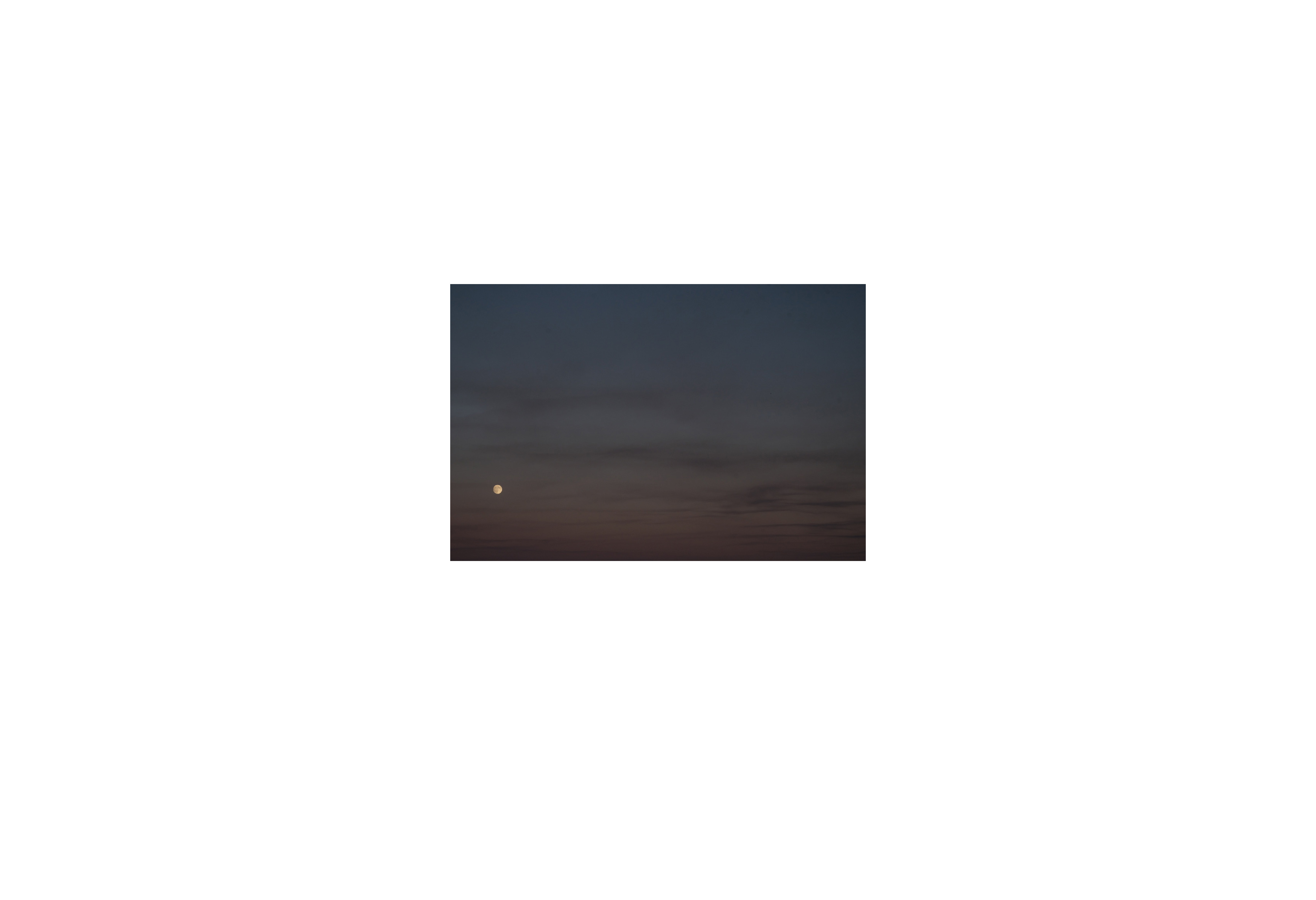
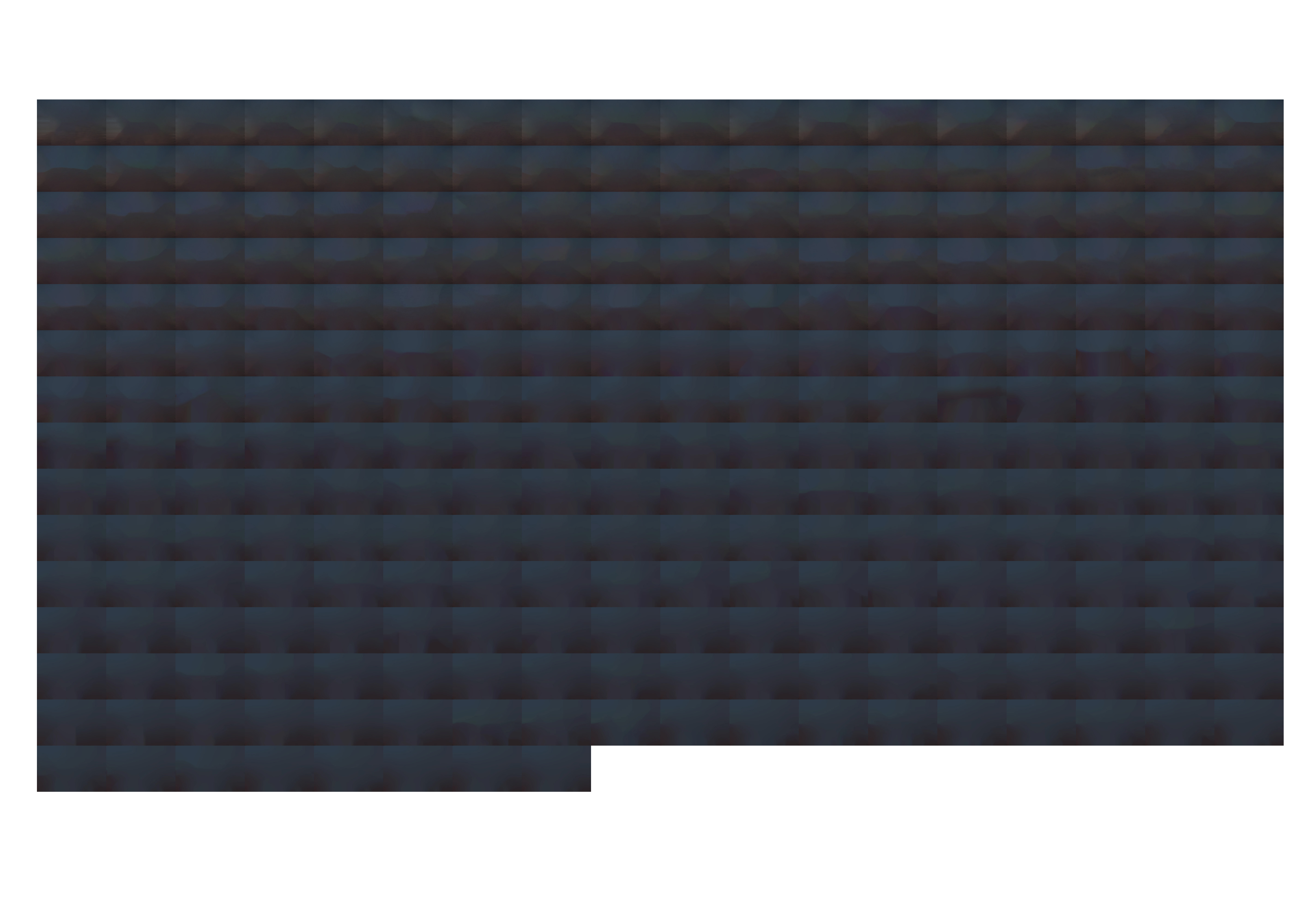
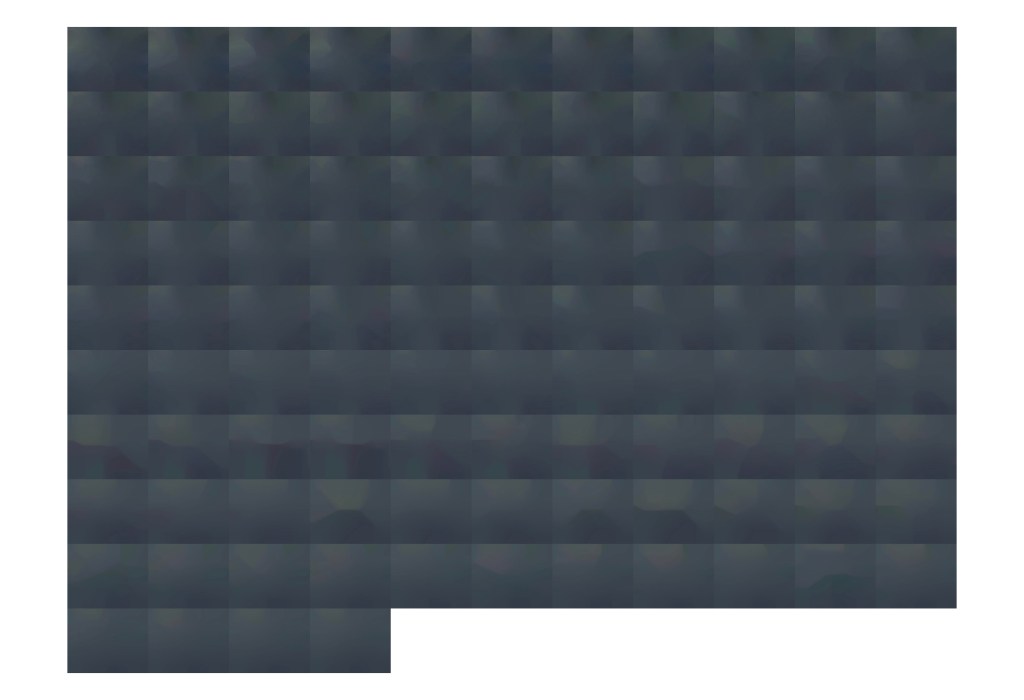
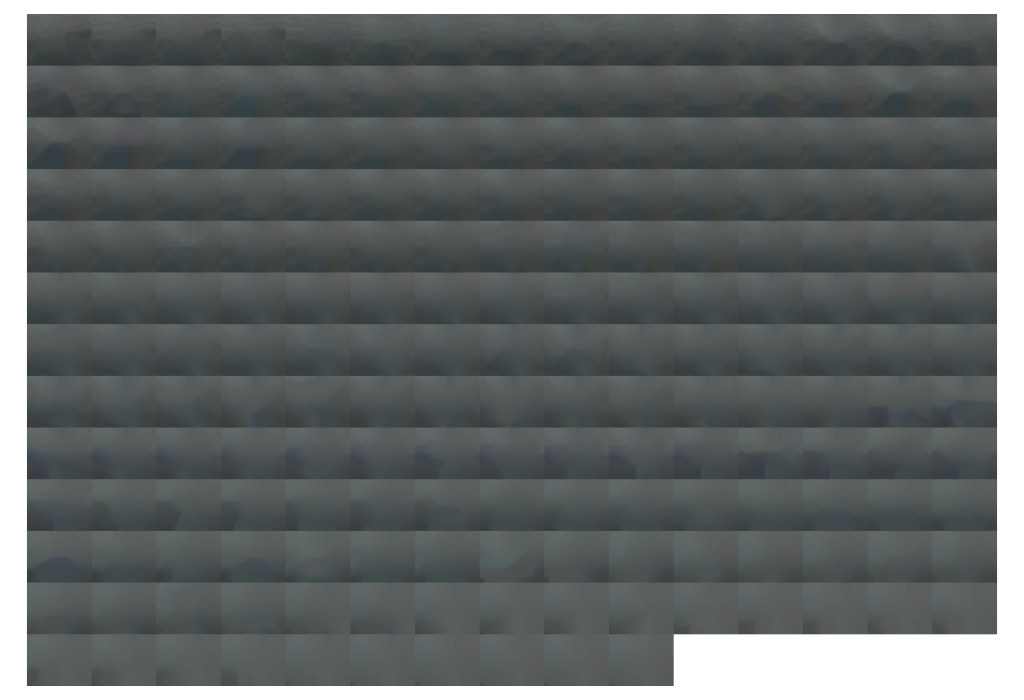
In a further exploration of digital processes and as an extension of my Missing Objects. project, I began thinking about working in collaboration with Photoshop’s removal tool. I wondered how many times the tool and I could have a back and forth before one of us crashed. I made 46 images of the full moon from my Chicago window on October 5, 2025. I repeatedly used the remove tool on the full moon image below, leaving a border edge so that Photoshop had information to work with in order to repopulate the pixels I removed (the system wouldn’t allow me to remove the image completely.) This one image, and each iteration after using the removal tool, was sifted through the system 260 times before the system stopped generating new information.
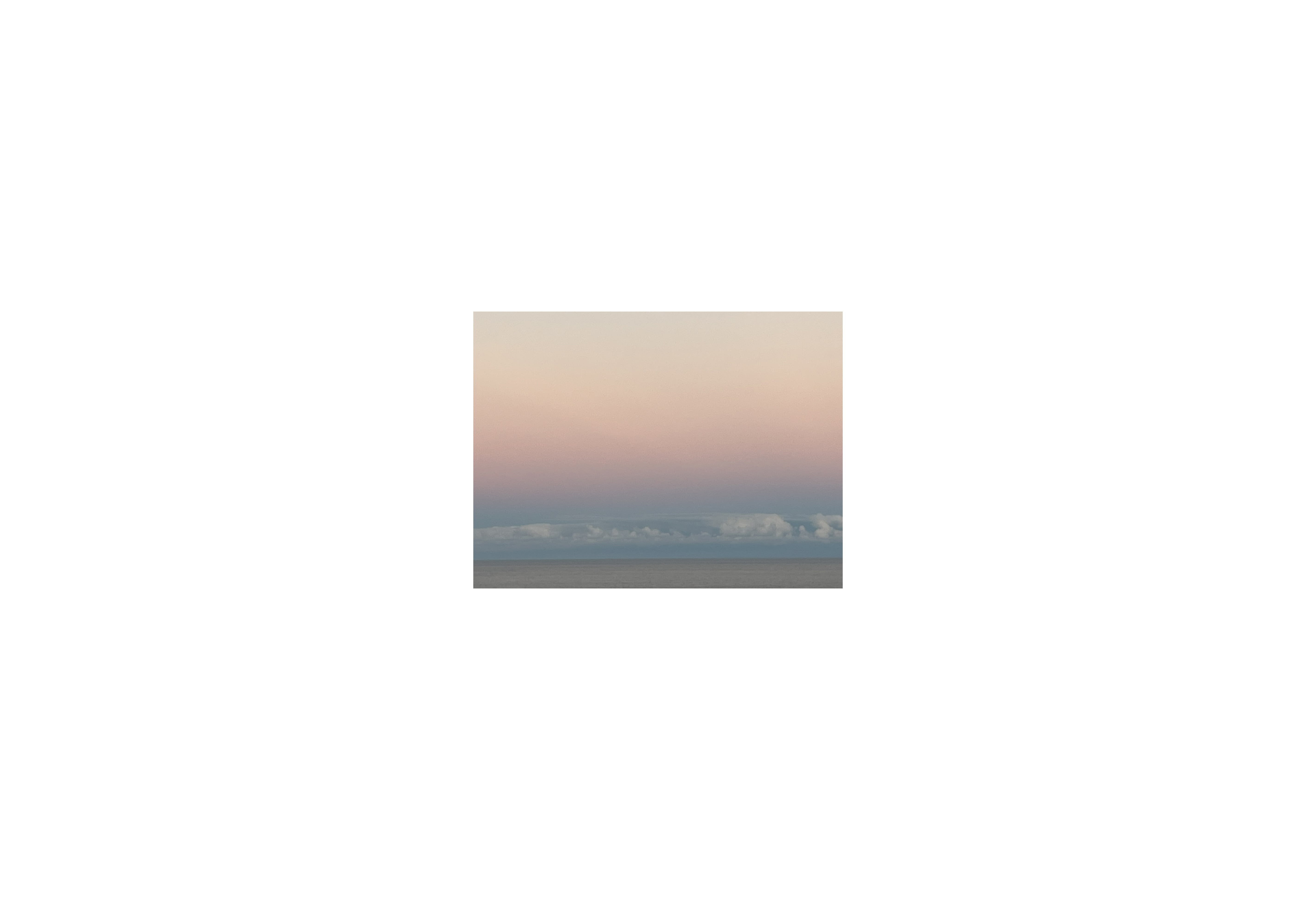
I repeated this process using an image I made during sunset in Wellfleet on October 25, 2025.
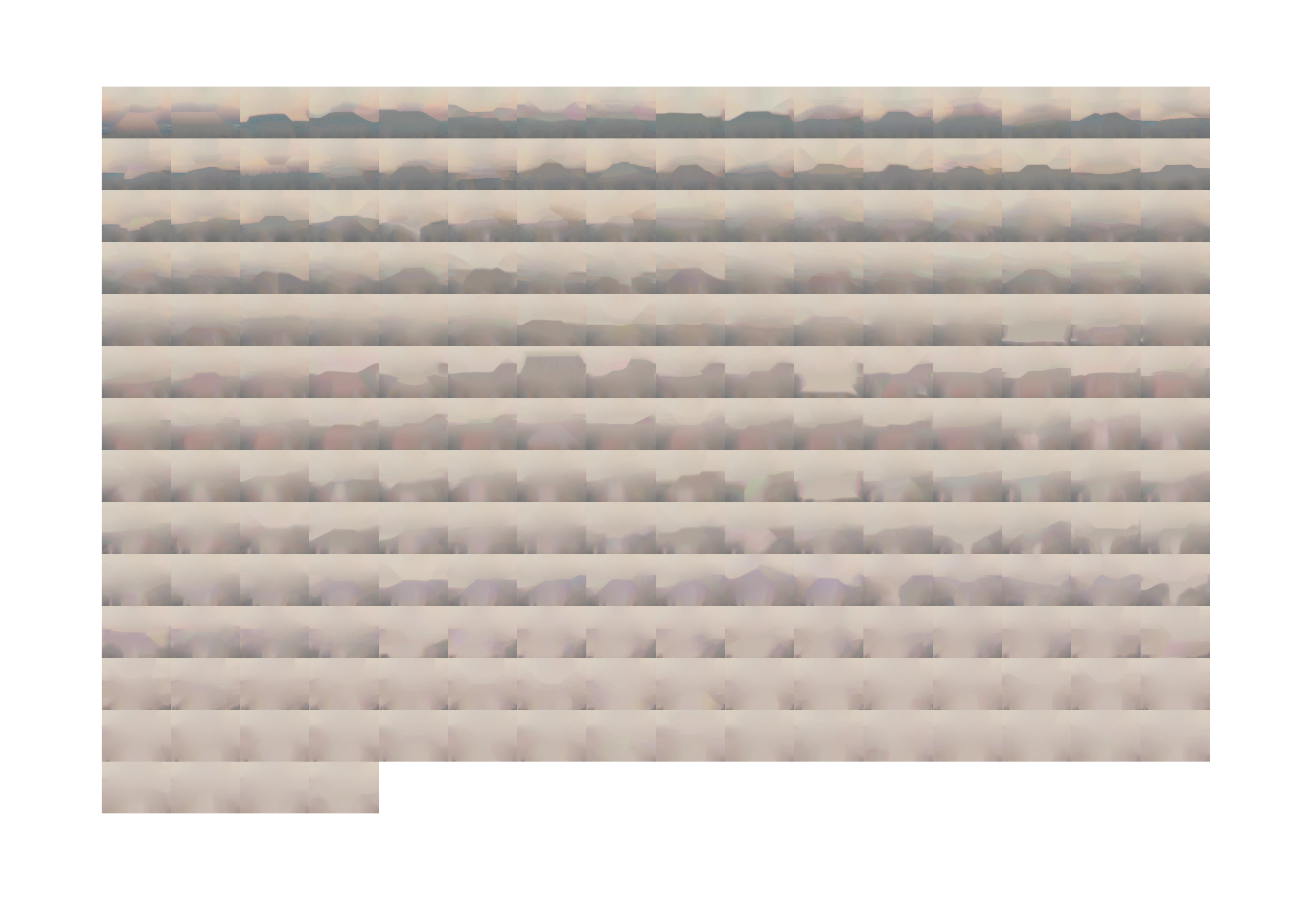
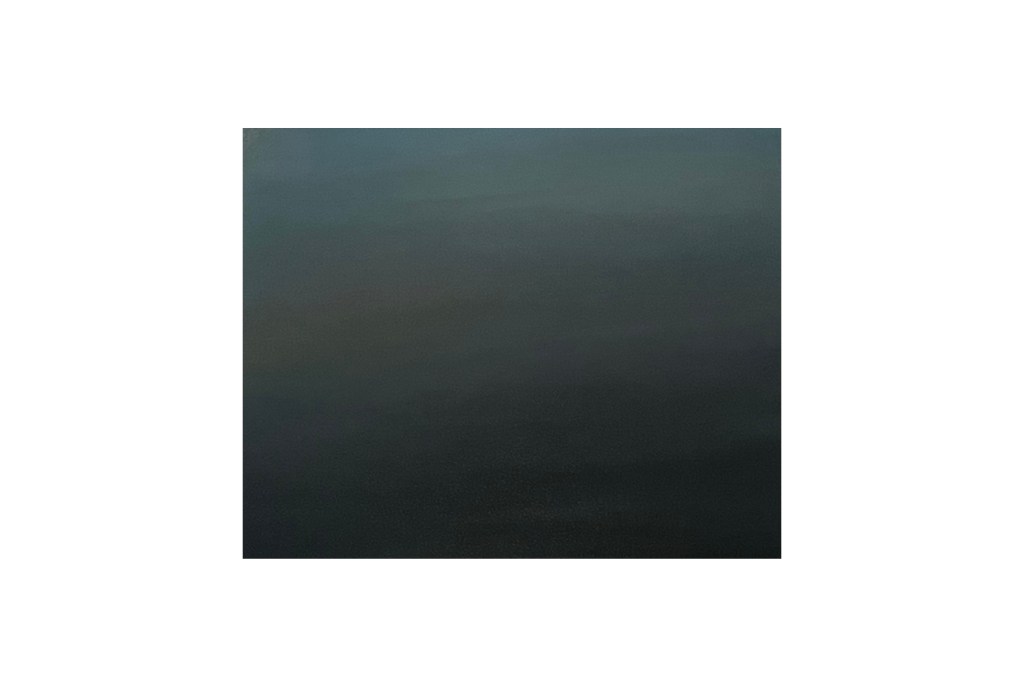
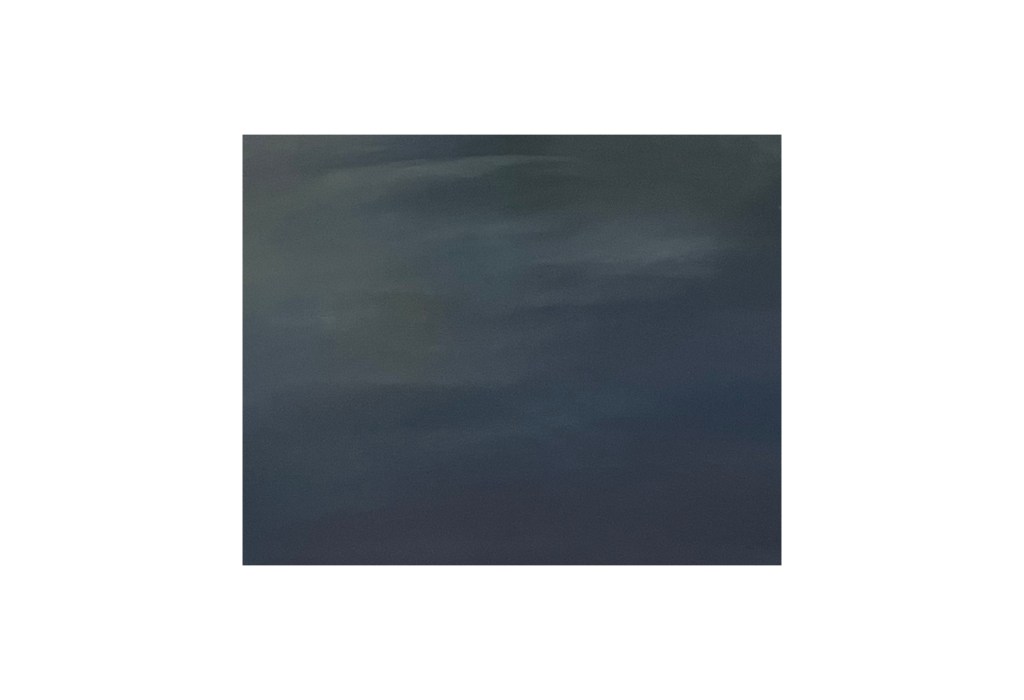
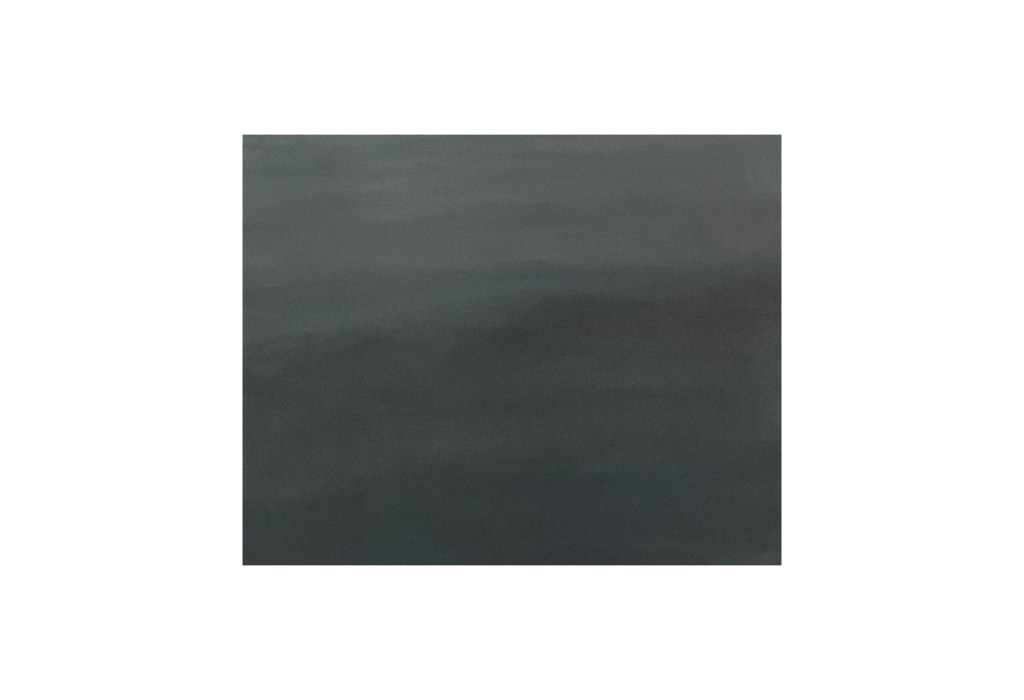
Thinking about photography, I wondered if the resulting grid sequence (read left to right), would be considered photographic or digital art. How far can one push a digital image before it becomes digital art? I’m now working on the edge of photography and digital art. While still following the impulse to remove information from the photograph and this serial and repetitive way of working, I began to think about visual layouts—how this work could lie next my analog work. I immediately thought of the pastel work I made in the Night. project. The pastels are multi-layered and the digital photographs of these pastels reveal a brilliance to the layers of color that only a sensor could render. What would pushing a work made by hand into the digital via digital photography, and then pushing it further in a collaboration with the system reveal? Working with the images of the pastels created a cohesive study of this process.

pushing the image
pushing the photoshop remove tool
pushing the system (it)
trying to break it
but in the end
rooting for it
each time it revived
it felt like it was breathing
deciding when to stop
when it gives up
but also
when it shows one last sign
of life
 Beth D'Elia . Studio